There existe properties that do far more than shelter us. They embody us, fill us, shape us through their walls and horizons. Emily Brontë understood this better than most: every residence carries within it a soul, a philosophy of living, a way of inhabiting the world that determines the destiny of those who dwell there. Withering Heights is not merely the novel of conflict between Heathcliff and Cathy, it is the architecture of two opposing universes that clash, attract, and whose incompatibility seals an inevitable tragedy.
Three Belgian properties today embody this eternal tension: dwellings where landscape and structure become biography; where the choice of walls determines the trajectory of lives lived within them. They are homes that do not compromise between worlds, but rather orchestrate them, revealing how design philosophy. Becomes existential destiny.
The allure of Thrushcross Grange
At the edge of Knokke, this 557-square-meter residence invites one to cross a discreet threshold and discover a universal of controlled harmony. Behind its gates lies a true sanctuary: a garden of 3,450m² that demandes restraint to be fully appreciated, an interior swimming pool as a climate-controlled sanctuary, interior spaces bathed in abundant natural light. Here one discovers Thrushcross Grange, not through its facade, with remains humble and authentic, but through the spirit that animates it. Comfort reigns absolute, yet without ostentation. Refinement flows through considered detail: the expensive salon with its mezzanine, multiple fireplaces that orchestrate intimate warmth, four bathrooms that whisper uncompromised wellness.
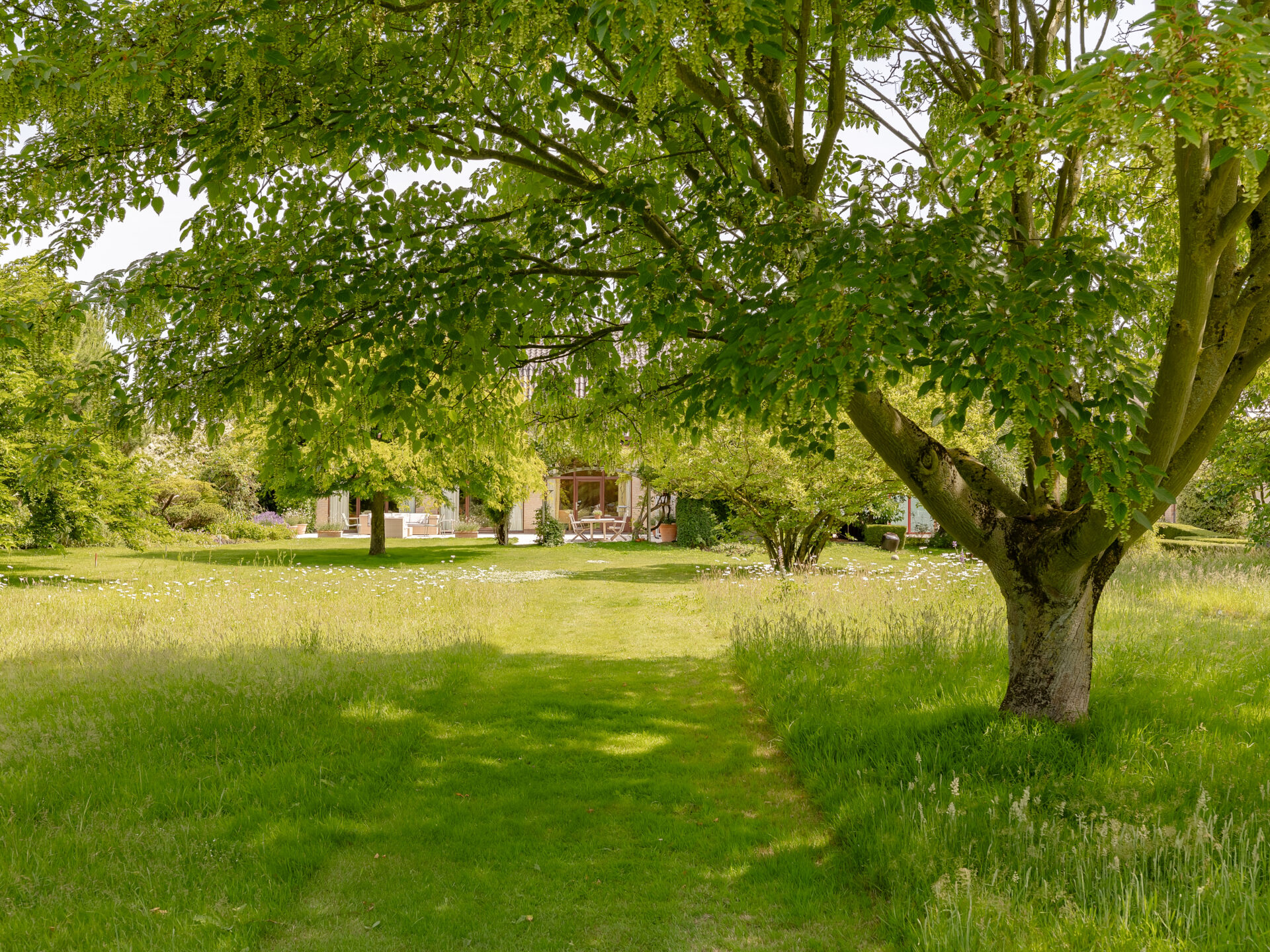
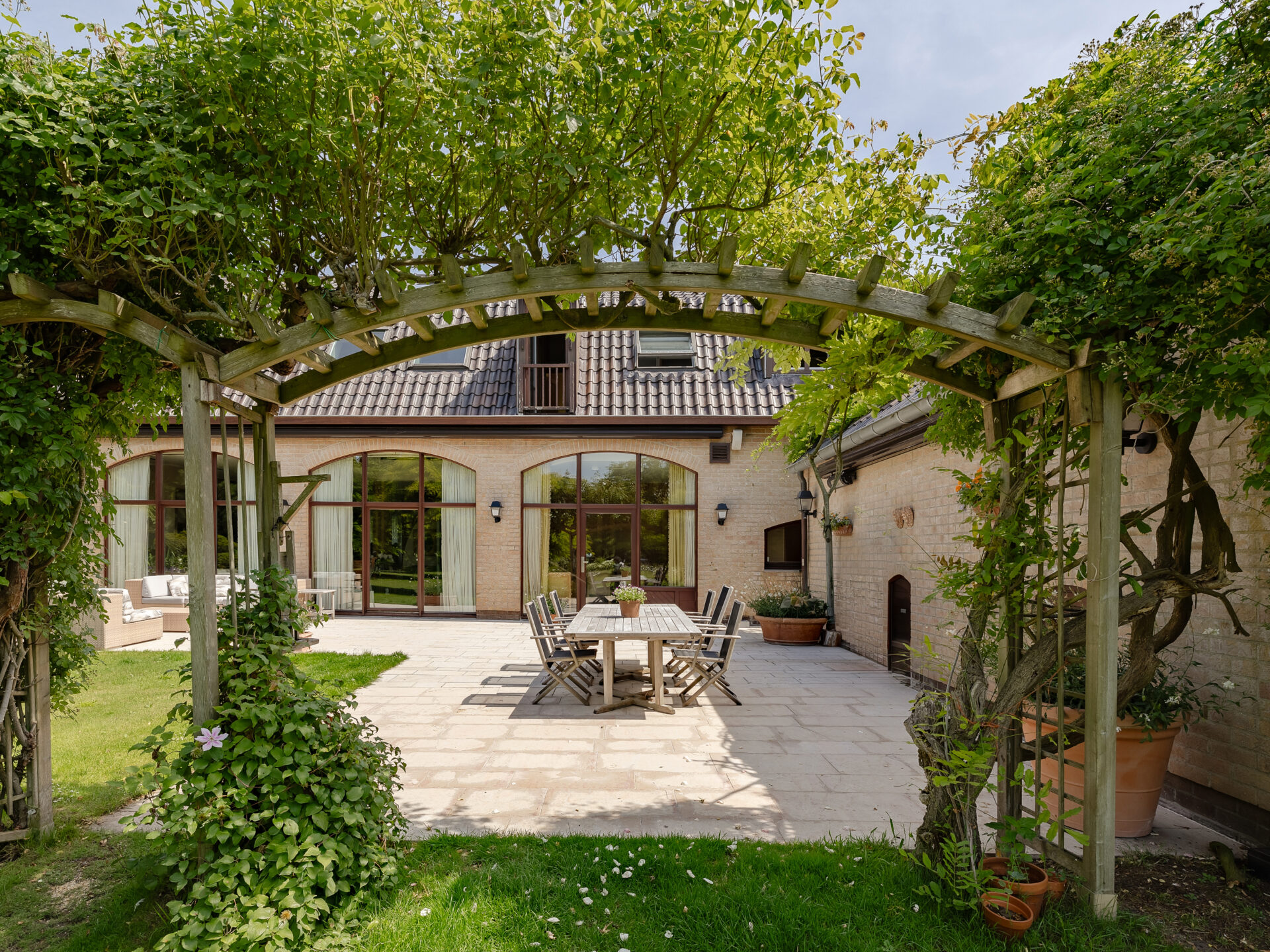
This property adresses those who have learned that true elegance resides in withdrawing from the world without imprisoning oneself within it. Like Catherine Linton among the Lintons, the resident discovers here an education of taste , an initiation into civilization’s refined gestures. Yet Brontë reminds us this domestication of self carries an invisible cost: the loss of spontaneity. Electric heating functions without variation; the pool maintains its ideal temperature year-round; everything speaks of control. The question lingers, unresolved: Does this mastery of self suffice for gaminess? Or does perfected comfort become its own constraint, gilded cage where refinement and freedom stand eternally at odds?
The roar of wuthering heights
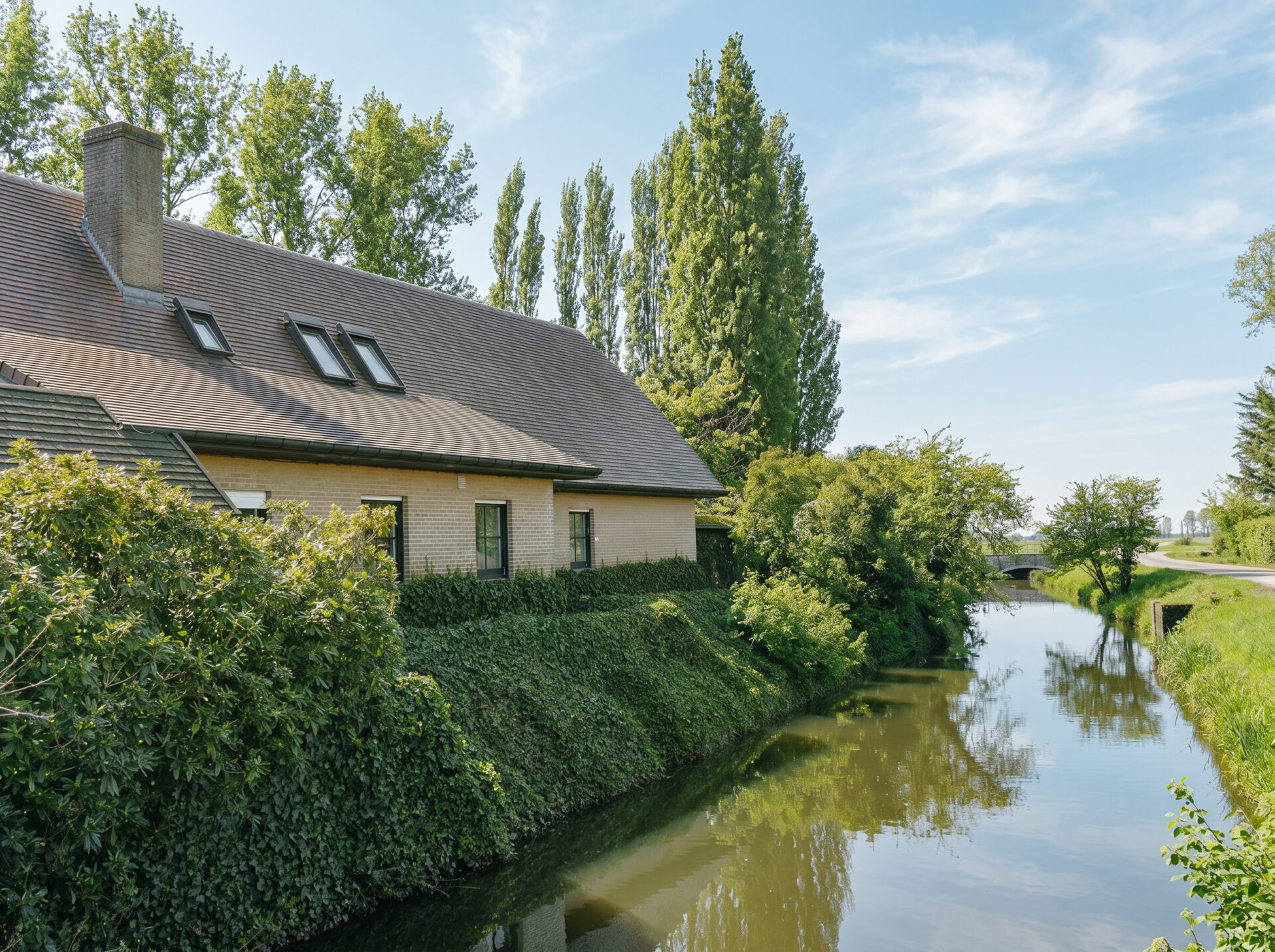
Along the shores near Dixmude unfolds an singular estate spanning 2 hectares, polder land without equal in Belgium. Access arrives via private bridge, as if the property were a natural fortress, a territory unto itself. Here, landscape dictates the law : infinite polders, stark ad bare as the Yorkshire moors, impose a certain authenticity upon those who inhabit them. No Baroque garden symmetries, no artificial grandeur. Instead: equestrian paddocks, a boathouse with private jetty, rows of poplars that bend to wind rather than resist it.
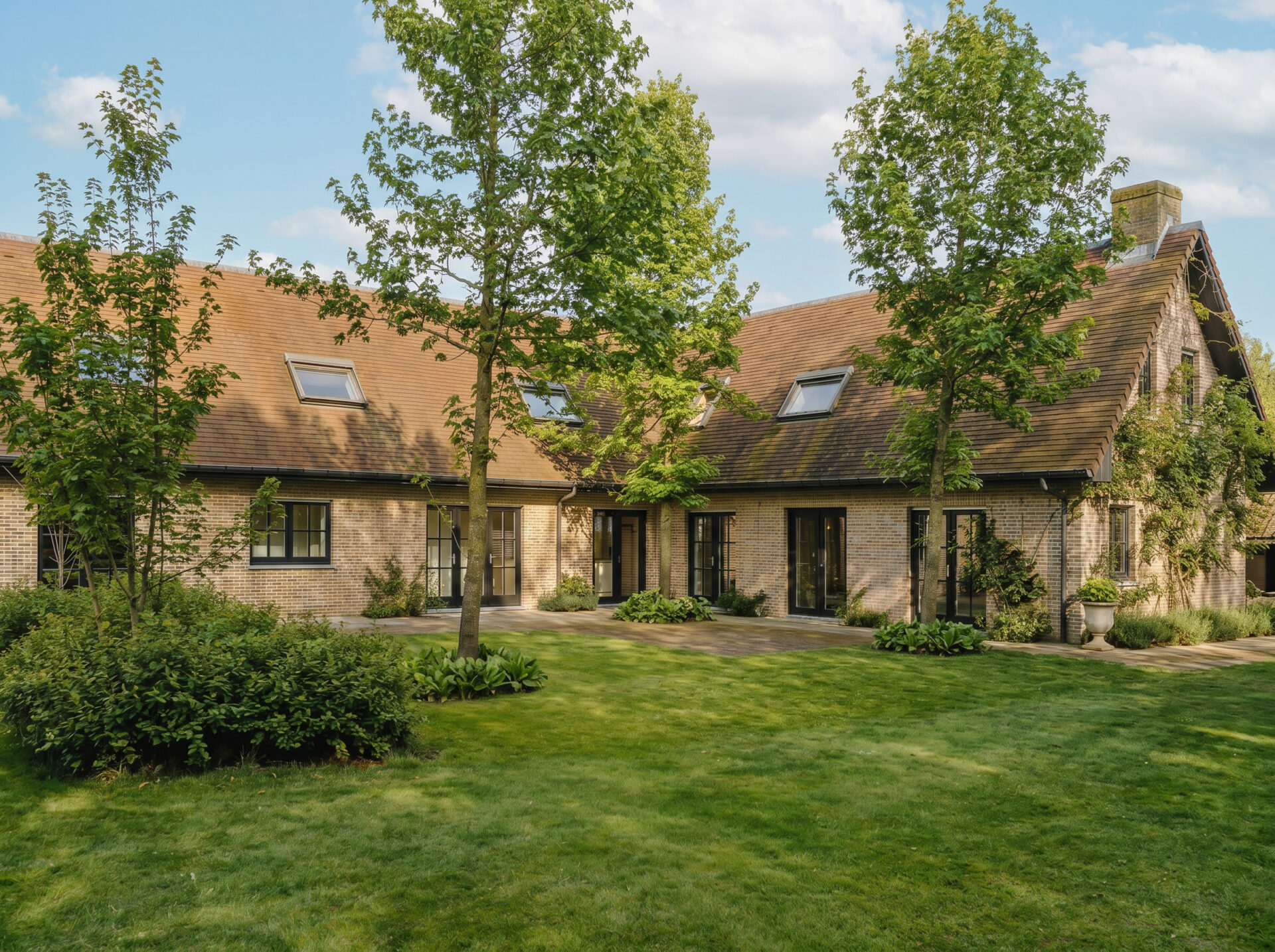
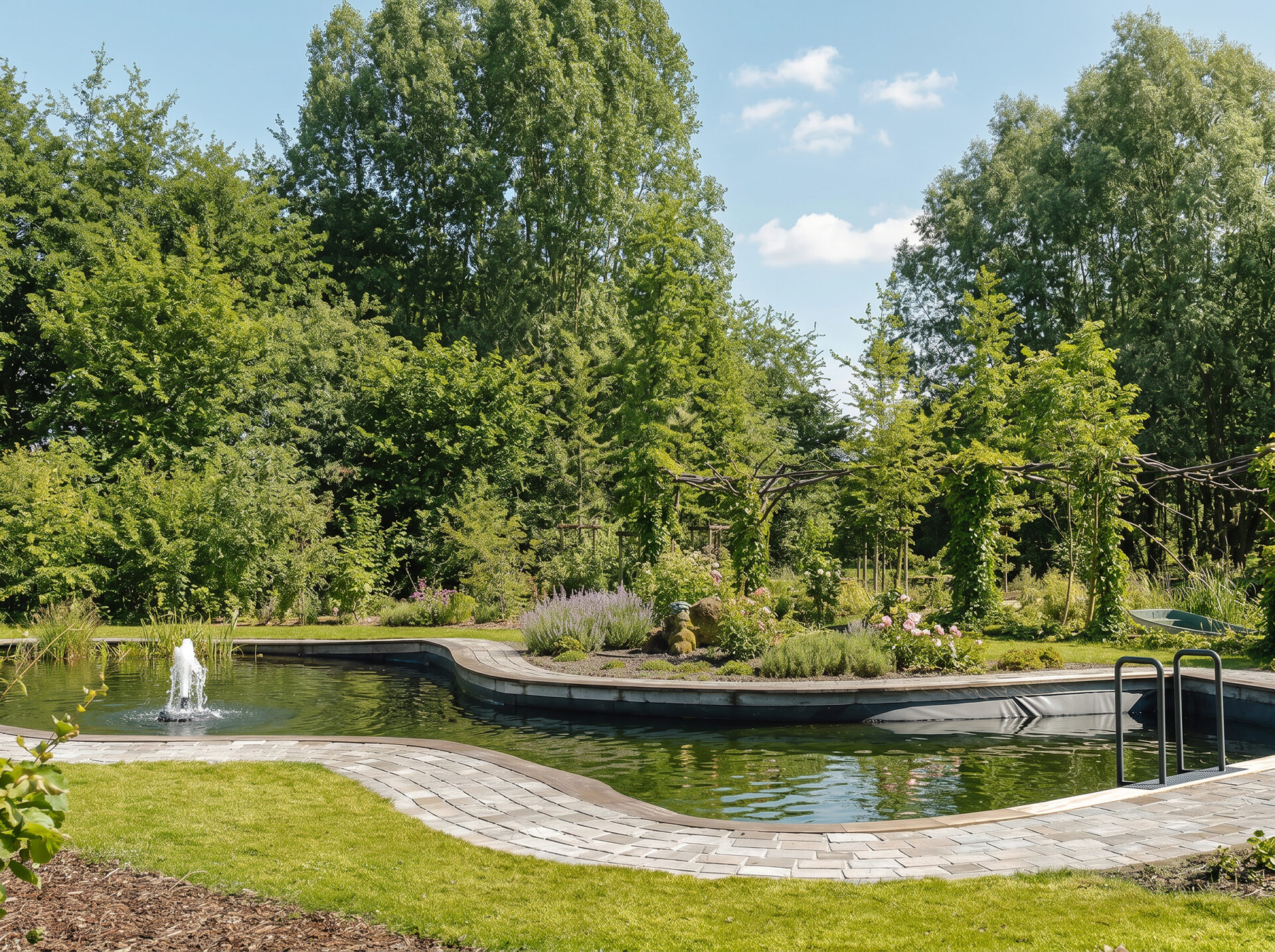
This villa of 328 square-meters, modest, ultimately, beside its Knokke counterpart, displays no pretension whatsoever. It stands simply present, functional, breathing polder air. It embodies the primitive refuge of Wuthering Heights itself, that dwelling Heatcliff returns to haunt in his fever of passion. For this precisely what this property translates: nature dictating architecture, not the reserve. The luxurious wellness sanctuary (hammer, sauna, jacuzzi) represents modernity imposed upon land, not integrated within it. A concession to contemporary comfort that the landscape tolerates but does not embrace.
Yet the true wealth here resides elsewhere: in boundless space, chosen solitude, the capacity to contemplate an infinite horizon without obstruction. Those who settle here will discover Heatcliff far more than Thrushcross, encountering a form of wild, perilous freedom. This is not refinement cultivated. This is nature endured, embraced, and inhabited by those bold enough to resist domestication. It is Brontë defiant answer: No.
The impasse of inevitable compromise
Between Dixmude and Knokke, psychologically speaking, lies Lasne, a property of 1.12 hectares of woodland that attempts to reconcile what remains fundamentally irreconcilable. This renovated villa offers the comfort of Thrushcross without its social suffocation: heated pool, generous dressing rooms, master suite with adjoining spa, all the markers of refined contemporary living. Yet it retains traces of Withering Heights: expansive woodland with natural pathways, automated gates that preserve privacy rather than flaunt it. An absence of horticultural perfectionism that permits nature to flourish unmanicured.
This residence embodies Cathy’s dilemma, that young woman who cannot simultaneously inhabit freedom and refinement, wildness and cultivation, authenticity and social acceptability. Lasne proposes a compromise: Remain civilized, yet preserve access to untamed nature. Embrace comfort, yet guard your connection to earth. It is an elegant response to an insoluble question.
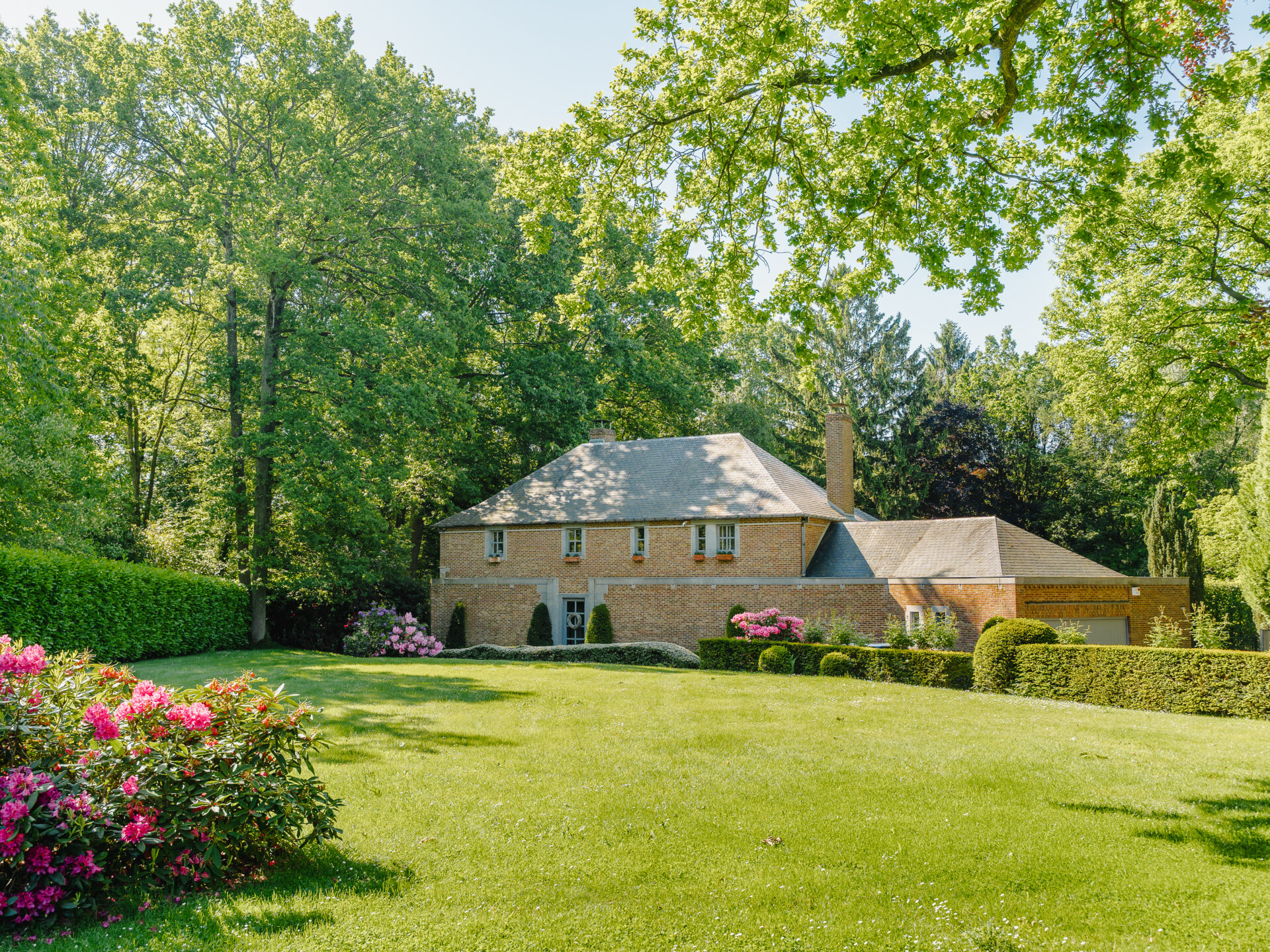
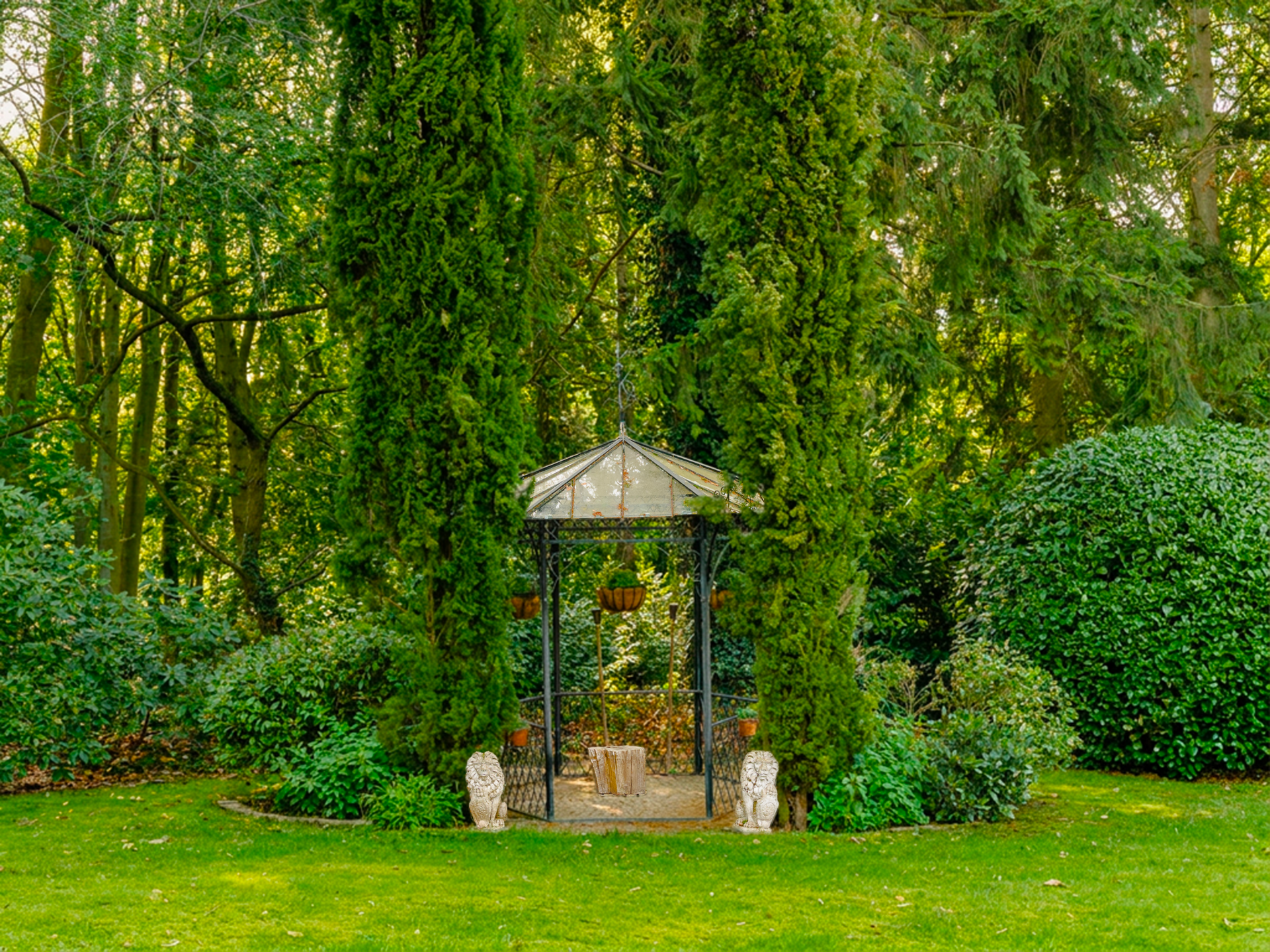
The woodland breathes without suffocation. The pool promises warmth without demanding control. The architecture whispers rather than declares. Nothing here achieves perfection; everything achieves balance: precarious, contingent, forever at risk of collapse. Yet for those weary of choosing, Lasne offers sanctuary in the liminal space between worlds.
Lasne is the home of souls who have surrendered the need to decide. It asks not Which shall I be? But rather How shall I hold both? The answer, Brontë would suggest, remains forever ambiguous. But perhaps that ambiguity itself constitutes a form of wisdom.
Beyond the novel: a philosophy of dwelling
One hundred eighty years after Withering Heights, the question endures: How do we inhabit the world? These three Belgian properties are not literary museums, but invitations to live a philosophy. The first imposes a discipline of refined living: the second liberates through chosen solitude; the third proposes an embrace of productive tension. Brontë understood what contemporary life often obscures; selecting a home is selecting a destiny.
Each of these three properties whispers an identical question: Who are you truly, and are you capable of living that truth? The answer determines not merely which rooms you occupy, but with version of yourself emerges within those walls. Architecture, in this reading, becomes the most consequential choice one makes, a statement, final and irrevocable, about how one wishes to be known.
