
Spring light conducts a silent symphony where gardens and architecture converse in perfect harmony, and each of these landscapes, from the geometric Italian garden to the poetic curves of the English, bears the imprint of visionaries who transformed the elements into living art, defining a timeless art de vivre where nature and architectural heritage speak as one.
The italian garden: Renaissance of perfect proportions
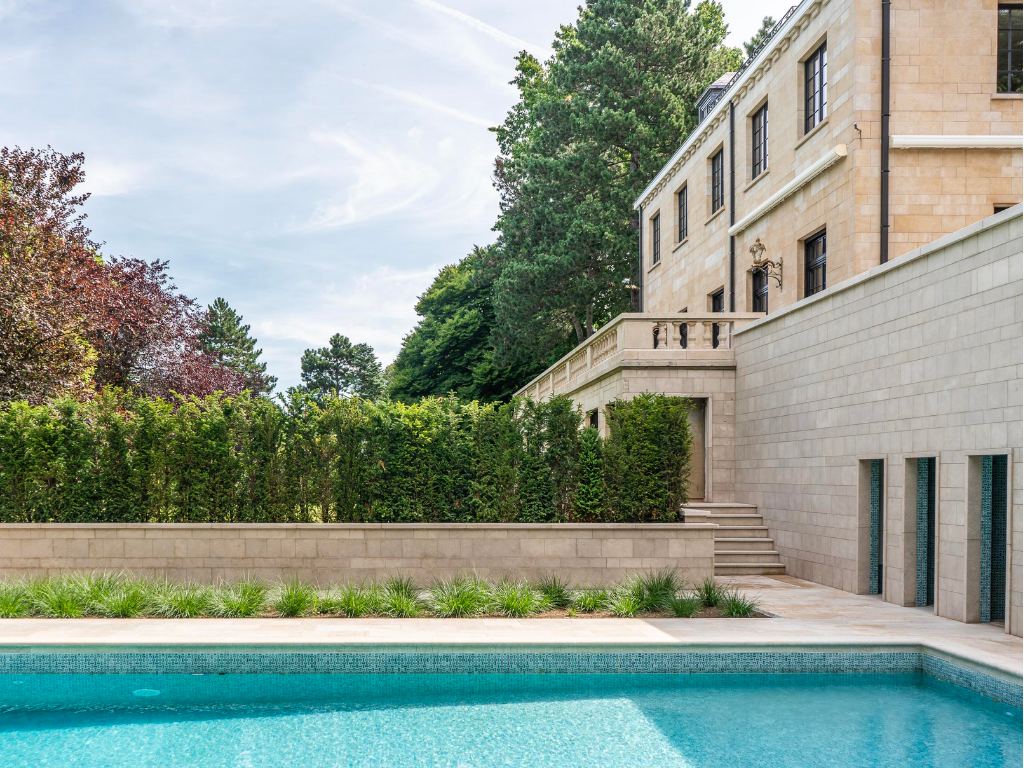
A pioneer of landscape elegance, the Italian garden emerged in the fifteenth century as a bold declaration of intent. Drawing from Greek and Roman ideals, it asserts perfect proportion, precise geometry, and sculptural ornament. Monumental staircases, marble statues, murmuring fountains, and slender cypresses transform a hillside into a theatrical stage. The Villa Medici at Fiesole, created by the visionary Florentine family, remains its defining masterwork: perched upon a steep promontory, this estate fuses art, architecture, and nature into a composition that breathes antique heritage. The garden here is no afterthought; it is the organic extension of the villa itself, a space where contemplation becomes a timeless sensory experience.
The french garden: Symphony of symmetry and perspective
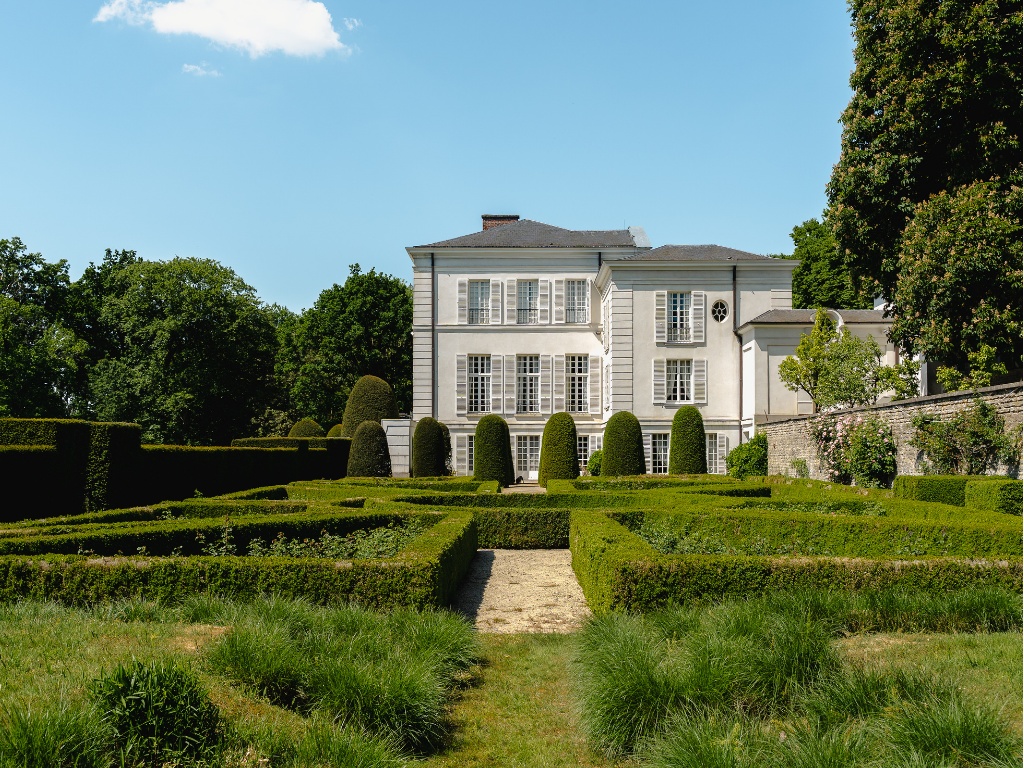
Extending the Italian aesthetic and amplifying it, the French garden elevates symmetry to the status of absolute art. Embroidered parterres of impeccable pattern, infinite perspectives along precise axes, fountains where water dances around mythological statues: every element converges in a geometric mastery that plays with scale. The « Trois Le », André Le Nôtre, Louis Le Vau, Charles Le Brun, stand as its visionary creators. Their first masterpiece, the gardens of Vaux-le-Vicomte, ignited royal envy: Louis XIV commissioned a still more grandiose interpretation at Versailles. This legacy continues to define the ideal of a landscape where man guides nature without dominating it, establishing an eternal equilibrium between order and splendour.
The english garden: Poetry of liberated nature
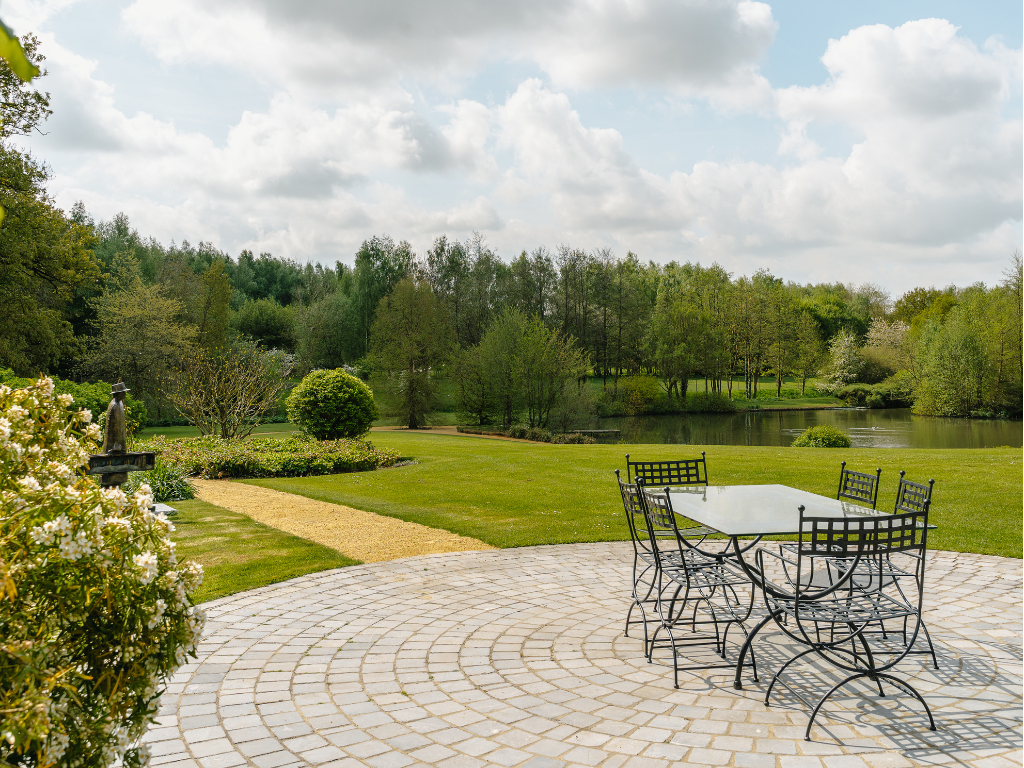
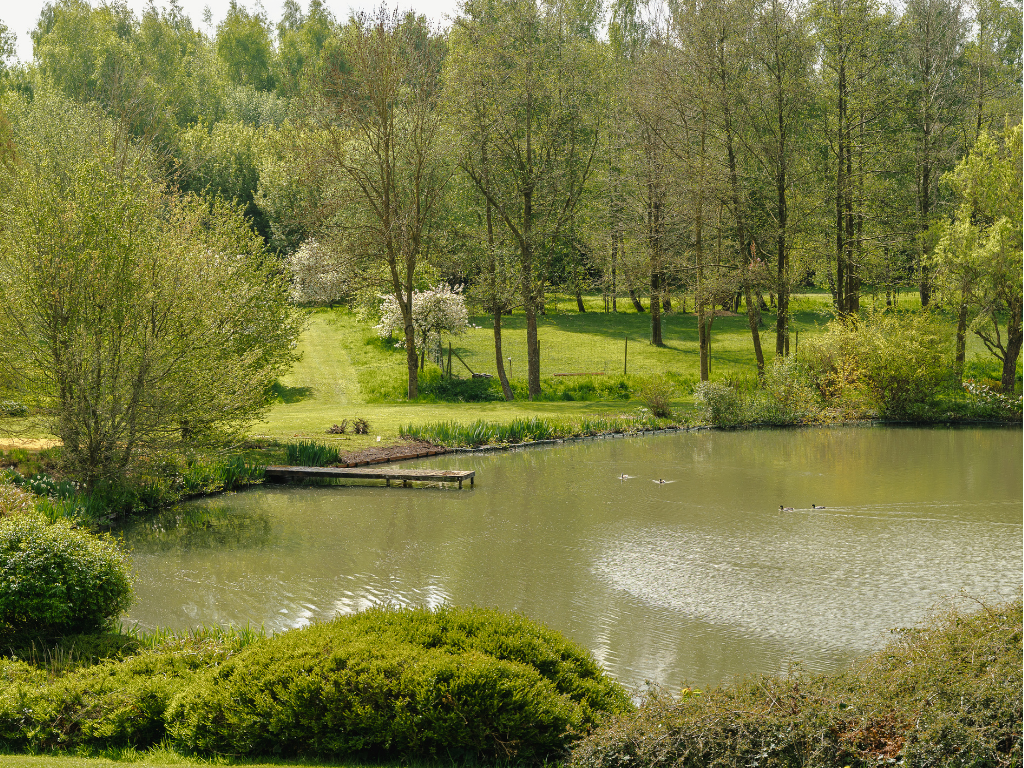
In the eighteenth century, as a masterful counterpoint to French rigour, the English garden celebrated irregularity as its supreme virtue. Sinuous curves, romantic plantings, artful relief, and picturesque ruins compose an idealised pastoral scene, where nature reclaims its freedom under subtle guidance. At Stowe House, three masters succeeded one another under the patronage of Viscount Cobham: Charles Bridgeman established the semi-natural forms, William Kent traced poetic pathways and neoclassical follies, while Lancelot ‘Capability’ Brown extended lakes and valleys to conjure the illusion of untamed wilderness. This approach transforms the garden into a living narrative, where every curve beckons discovery.
A garden, a curated reflection
Each garden is a landscape biography, a mirror of the sensibilities that shaped it, from the Medici to the English visionaries. Far beyond decoration, these spaces are sanctuaries of profound well-being, where contemplation and serenity merge into a fully realised art of living. To possess such an estate is to inherit a timeless legacy, where nature and architecture compose an enduring harmony.
