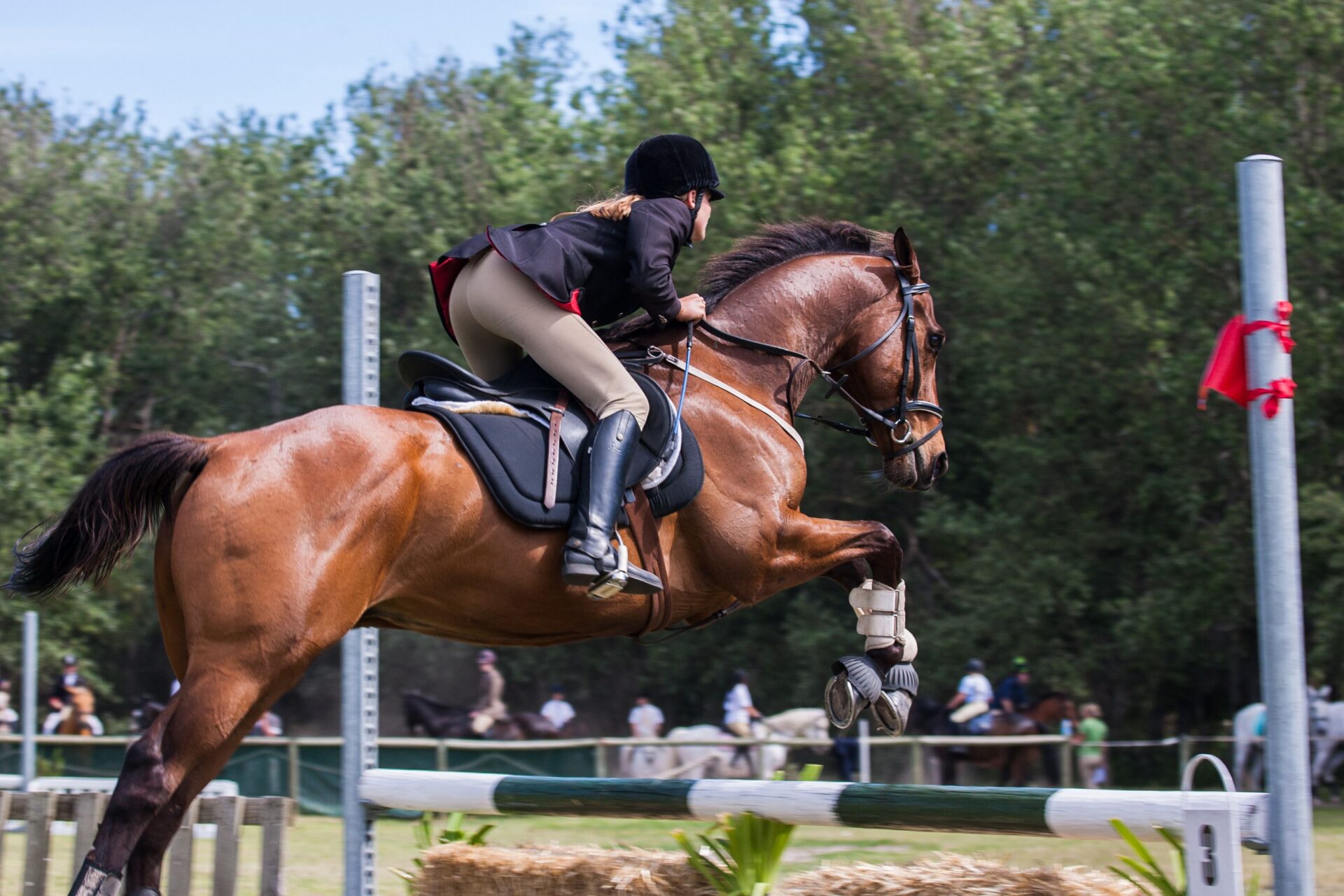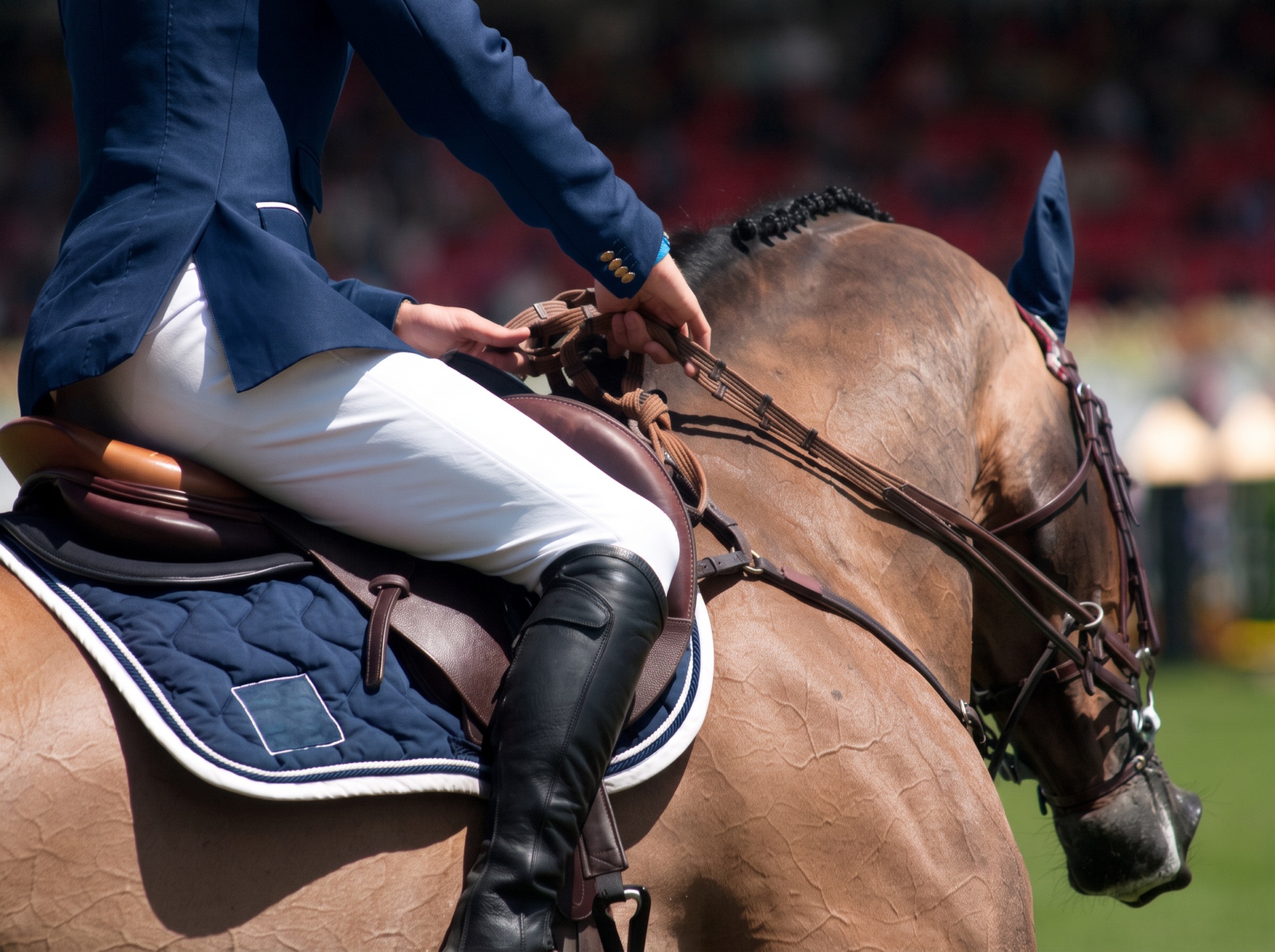
It's early. The mist still clings to the paddocks, and the first sounds of the day drift over from the stables: a hoof knocking against a stall door, a whinny, a bucket filling up. On an equestrian property, the day begins with the horses and moves to their rhythm. Choosing a place like this is less about buying a house than buying into a way of life. And for those who are looking for it, Belgium has something special.
A Small Country With a Big Horse Culture
In July 2025, Belgium took team gold at the European Show Jumping Championships in A Coruña, six years after winning its first title in Rotterdam. Those wins were no fluke. They’re built on a breeding tradition respected far beyond the country’s borders, driven in large part by the Belgian Warmblood studbook (BWP), and on a thriving equine industry. Today, horses generate €1.43 billion in revenue in Flanders and around €1.15 billion in Wallonia, which alone is home to more than 136,000 equines.
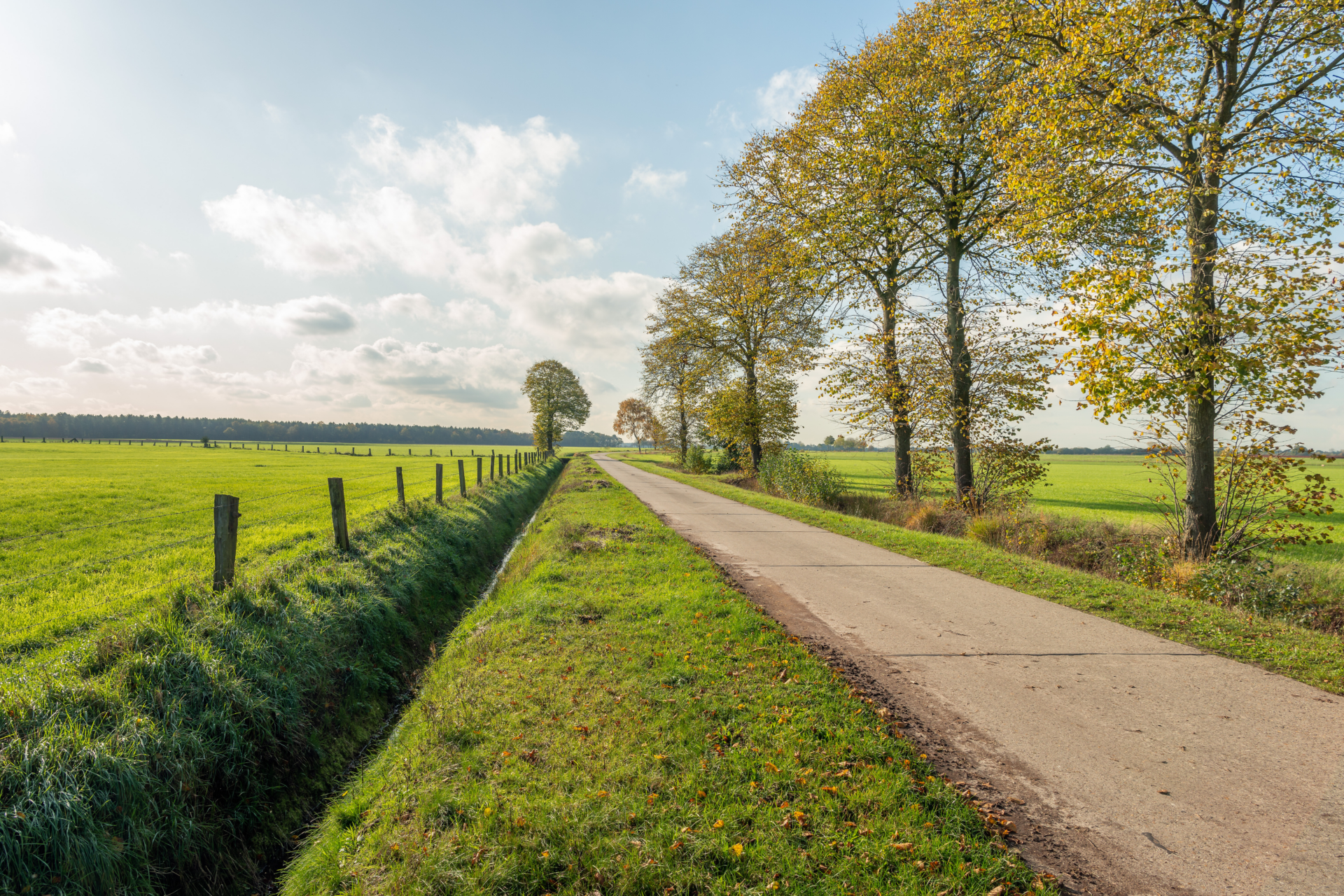
But the numbers only tell part of the story. In Belgium, some of Europe’s biggest shows are just a few hours’ drive away, and the countryside often starts within minutes of town. For such a small country, it packs in a remarkable variety of places, and that’s where the search really begins.
First Things First: Stables or Home?
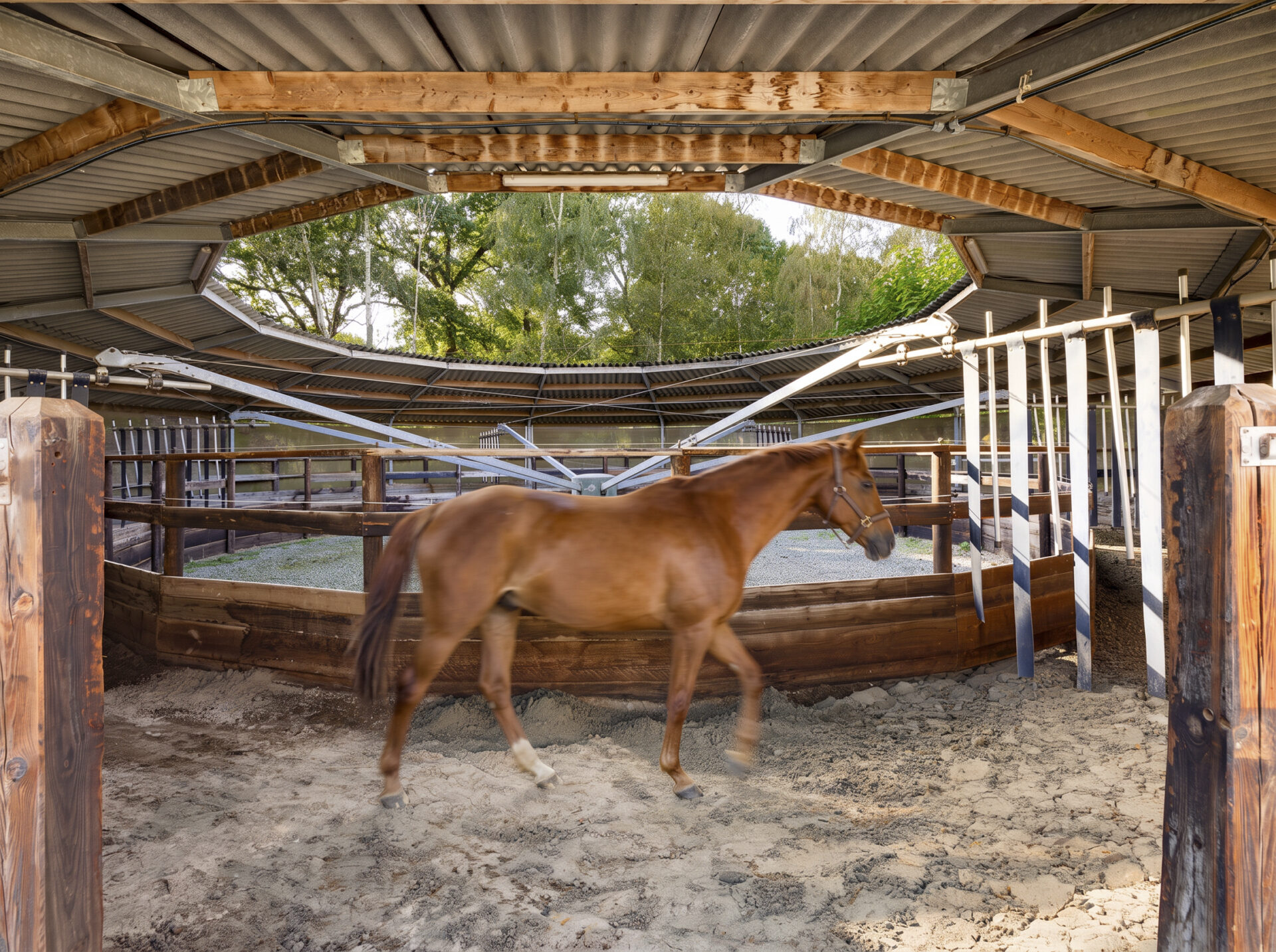
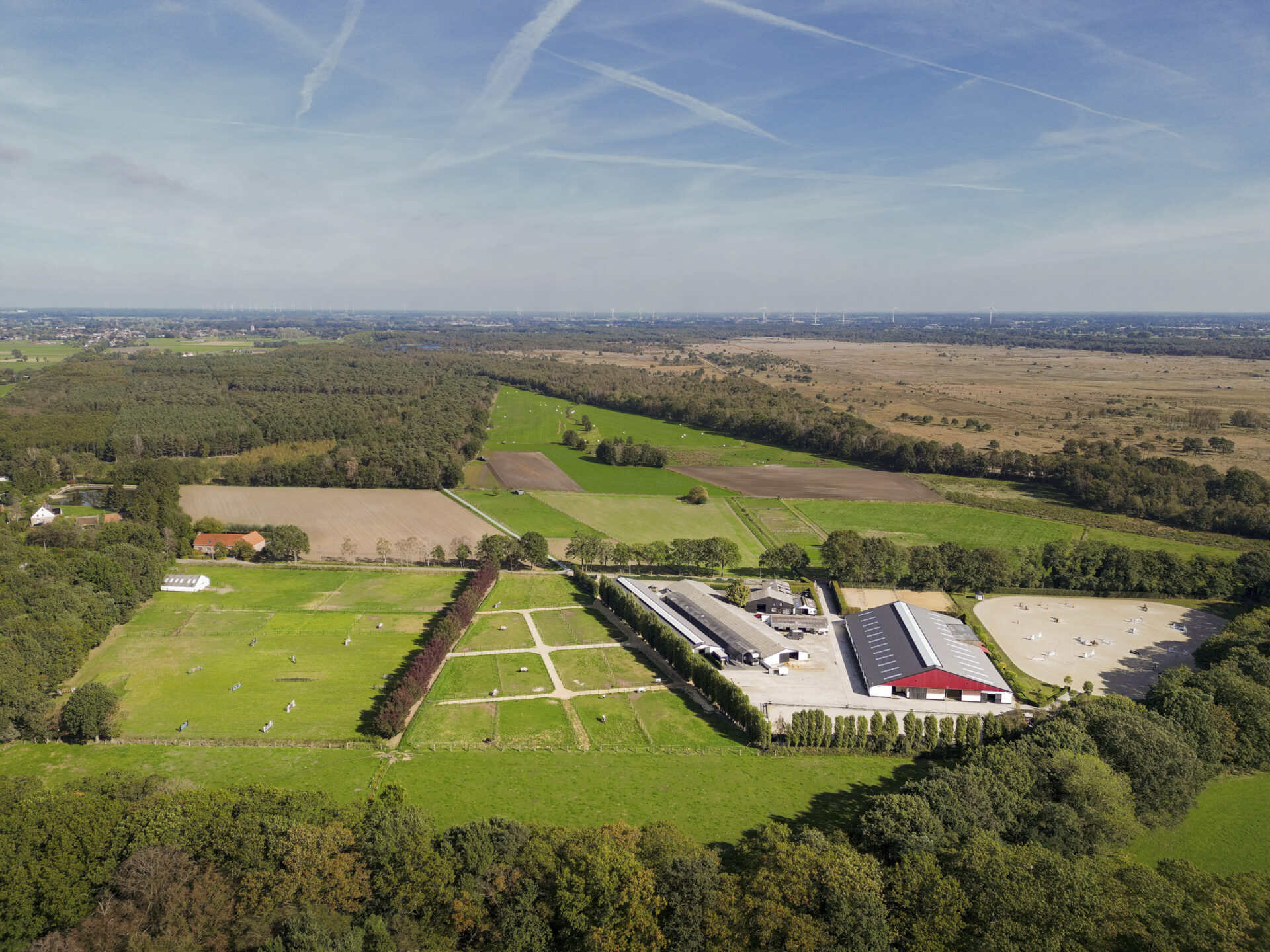
Every search starts with a question that sounds simple: should the property be built around the horses, or around the people who look after them? To see what top-level sport really demands, just look at how a competition yard is laid out. In Wuustwezel, north of Antwerp, the 61 stalls aren’t housed under one roof. They’re spread across several wings, each with its own tack room and wash bay, so every team can work its horses without getting in anyone else’s way. Around them sit an indoor arena, outdoor arenas, a gallop track and a horse walker, because a competition horse doesn’t do the same work every day. Training rotates between jumping, flatwork, gallops and recovery.
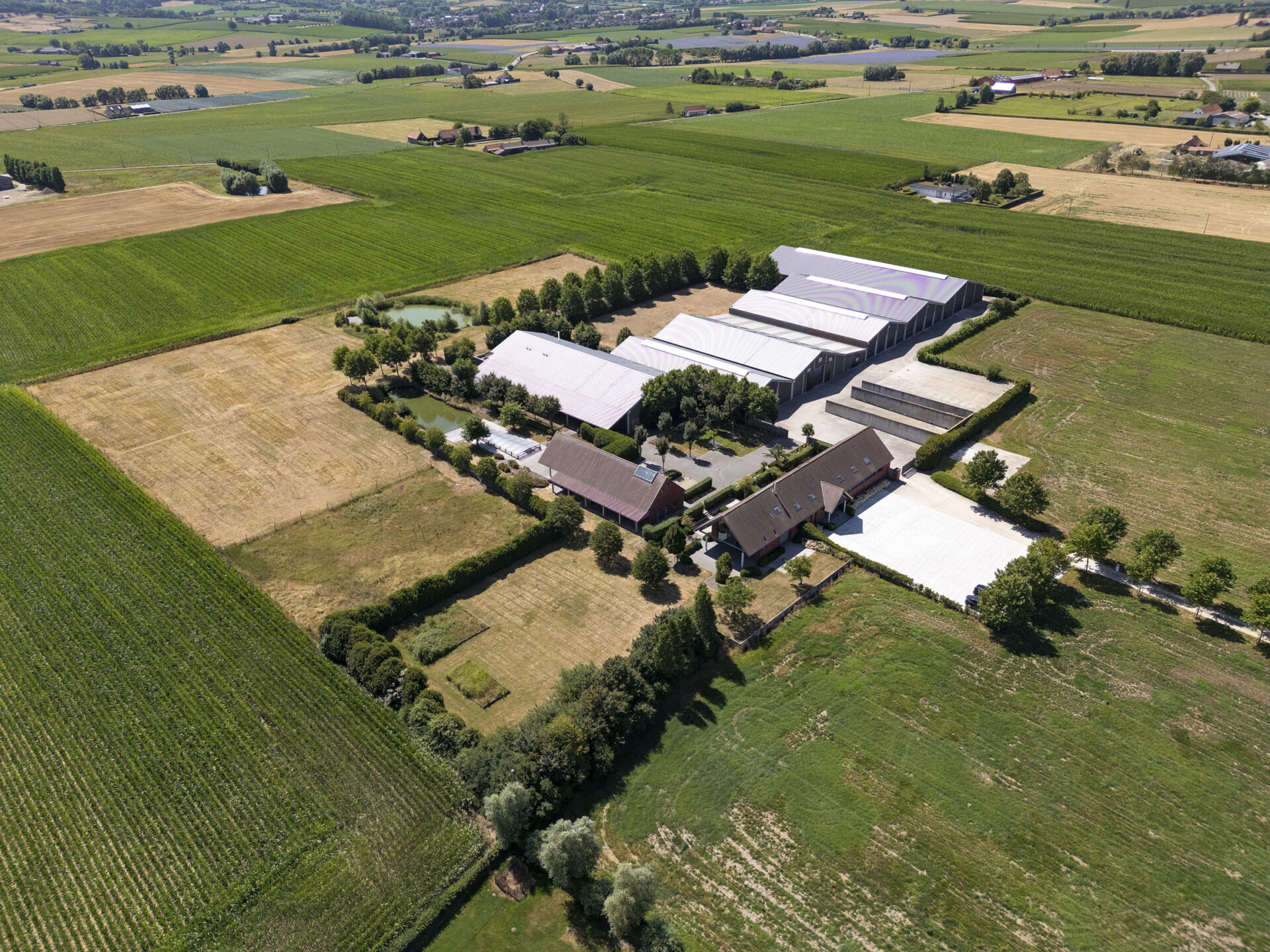
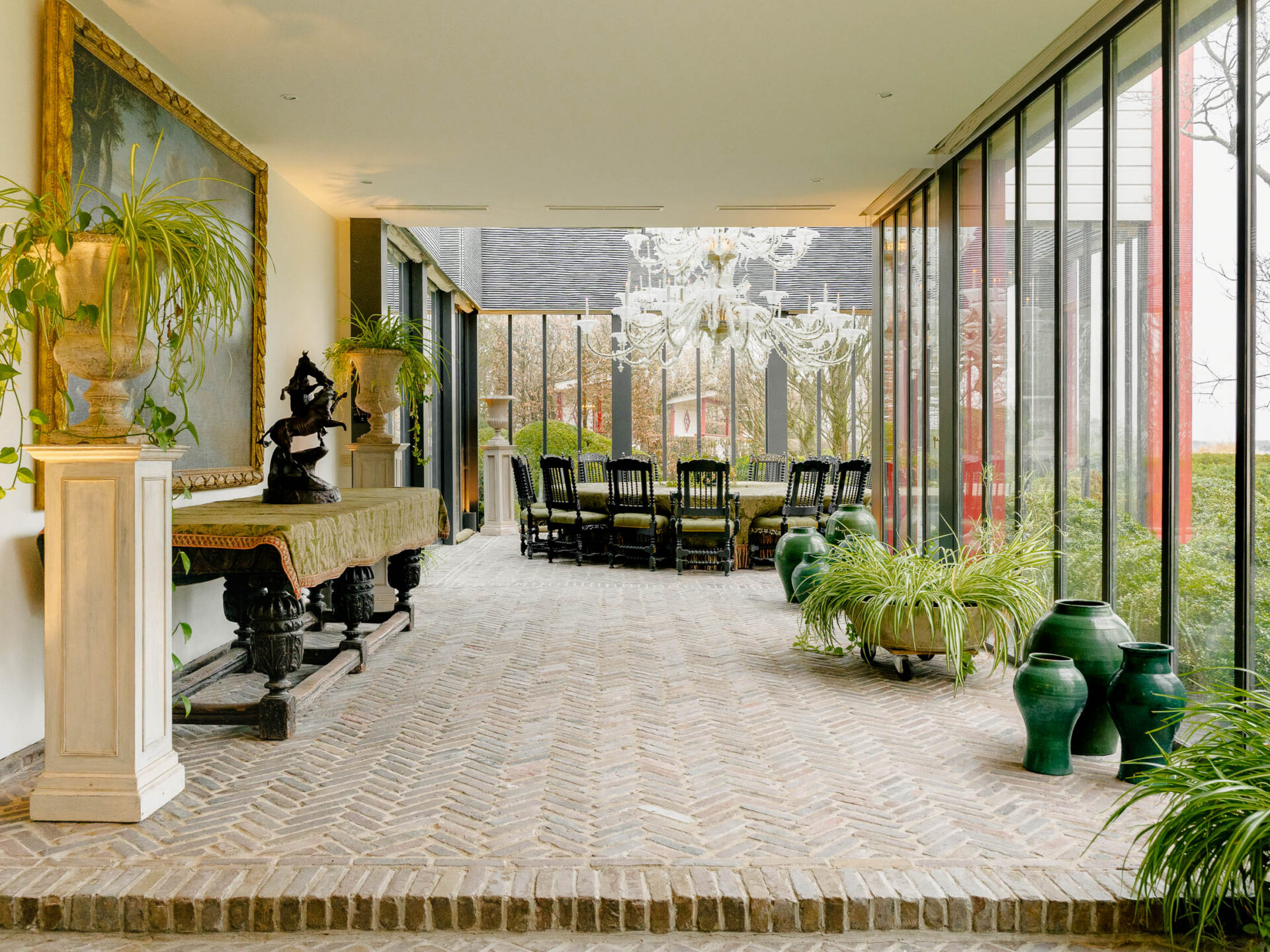
Plenty of riders, though, refuse to choose: they want to live where they work. The challenge then is to bring two worlds together without one spilling into the other. In Poperinge, in the rolling hills of West Flanders, the answer lies in distance. On one side sit the indoor arena, the stables and the grooms’ quarters. On the other, the house looks out over the ponds. It’s only a few steps from one to the other, and yet, come evening, work stays at the barn.
When a Place Takes on a New Life
An equestrian estate is never set in stone. The way people use it changes over time, and the finest properties are often the ones that have adapted without losing their soul. In Vieusart, in Walloon Brabant, the old outdoor arena and stables are reminders of what the estate once was. These days, it’s more a place for entertaining: a wing for guests, the former coachman’s house converted into apartments, and a pond set among gardens designed by renowned landscape architect Jacques Wirtz. Its equestrian past hasn’t gone anywhere, though. Perhaps it’s simply waiting for a new rider.
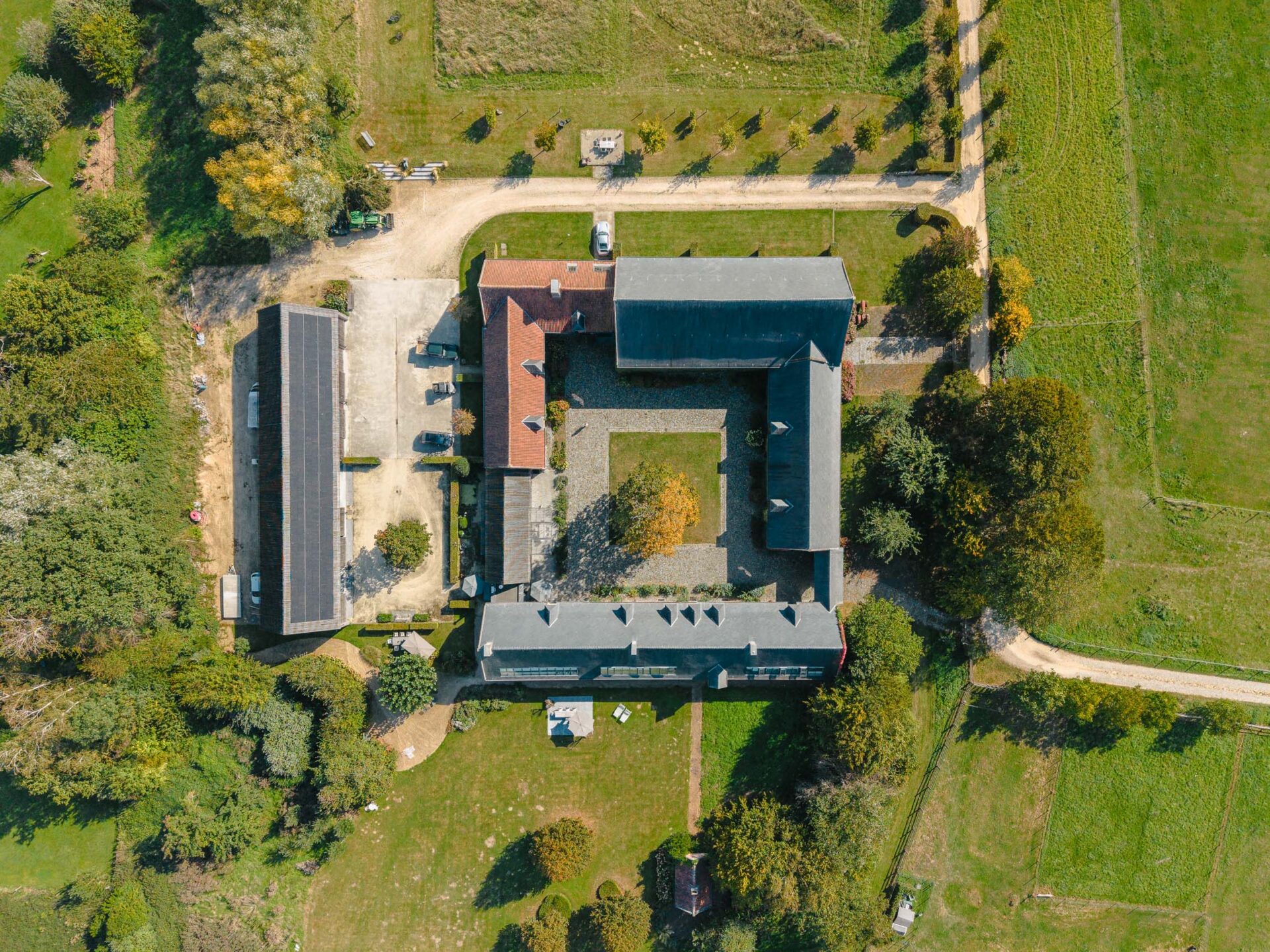
Sometimes it works the other way round, when a place with no equestrian history at all sparks a rider’s imagination. In Uccle, on the edge of Brussels, Ferme de Perk has neither an indoor nor an outdoor arena. But its origins date back to the 12th century, and that age still shows in its timber framing and its old bread oven, which is still in working order. Around the courtyard stretch more than 13 hectares (about 32 acres) of farmland. That’s rare so close to the capital, and for a rider, it’s the start of a project: paddocks, an arena, maybe stalls in the big barn.
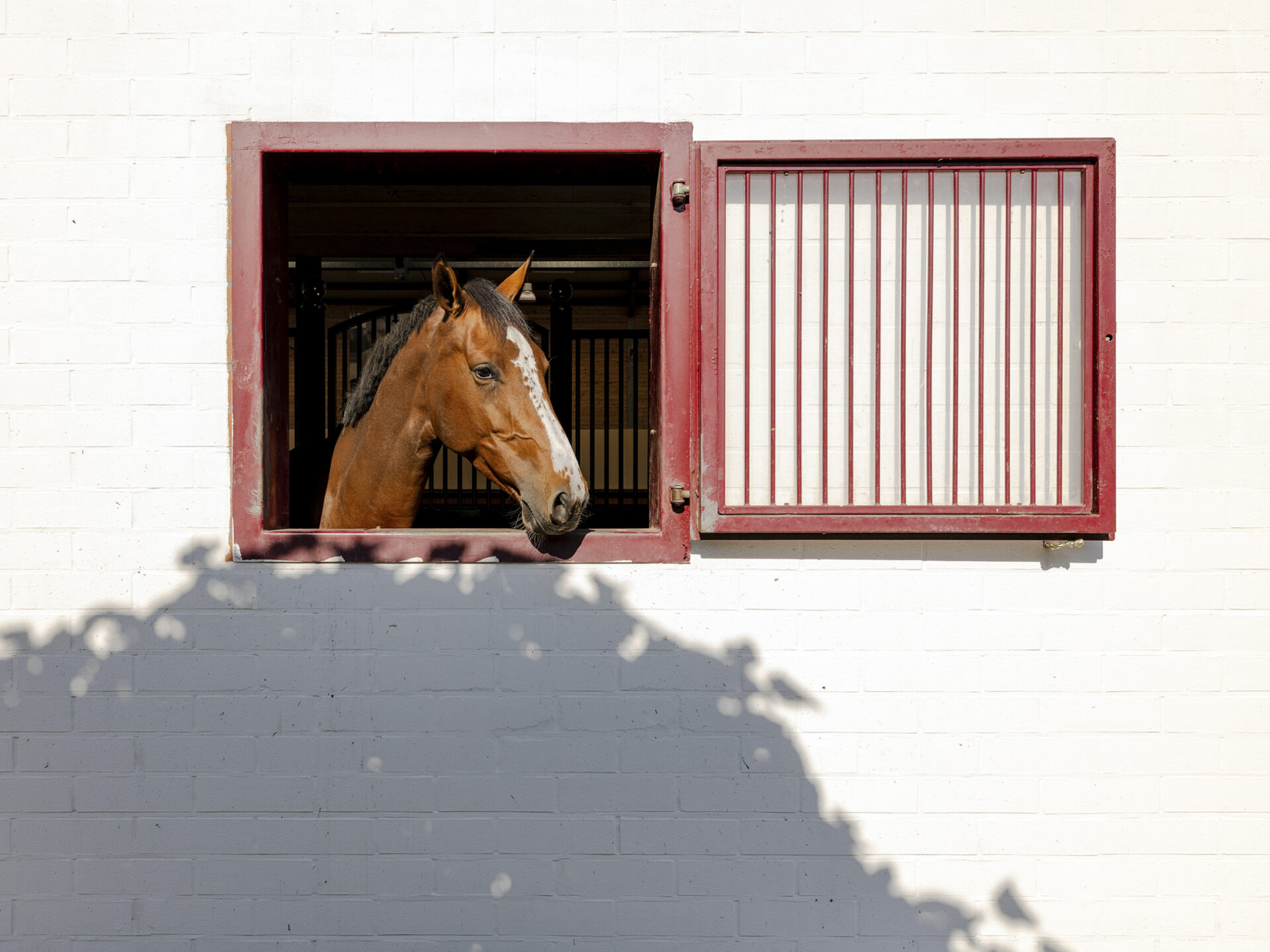
What the Photos Don’t Show
A yard built for competition, an estate where you live a stone’s throw from your horses, a heritage property that has found a new purpose, a farm just waiting for the right project: these four places won’t speak to the same riders. The practical criteria matter, of course: how many horses the permit allows, how well the ground drains after a week of rain, whether a horse truck can make it into the courtyard. But the one that really counts isn’t on any listing. It’s the feeling you get when you reach the end of the driveway on that first morning.
Equestrian Property: A Specialist Field
Buying or selling an equestrian property isn’t something you can take lightly. Beyond an estate’s charm, the quality of its facilities or the appeal of its setting, every property comes with its own specific requirements. Paddock acreage, stable layout, the condition of the infrastructure, access, scope for development, planning regulations: each of these calls for an in-depth understanding of the equestrian world.
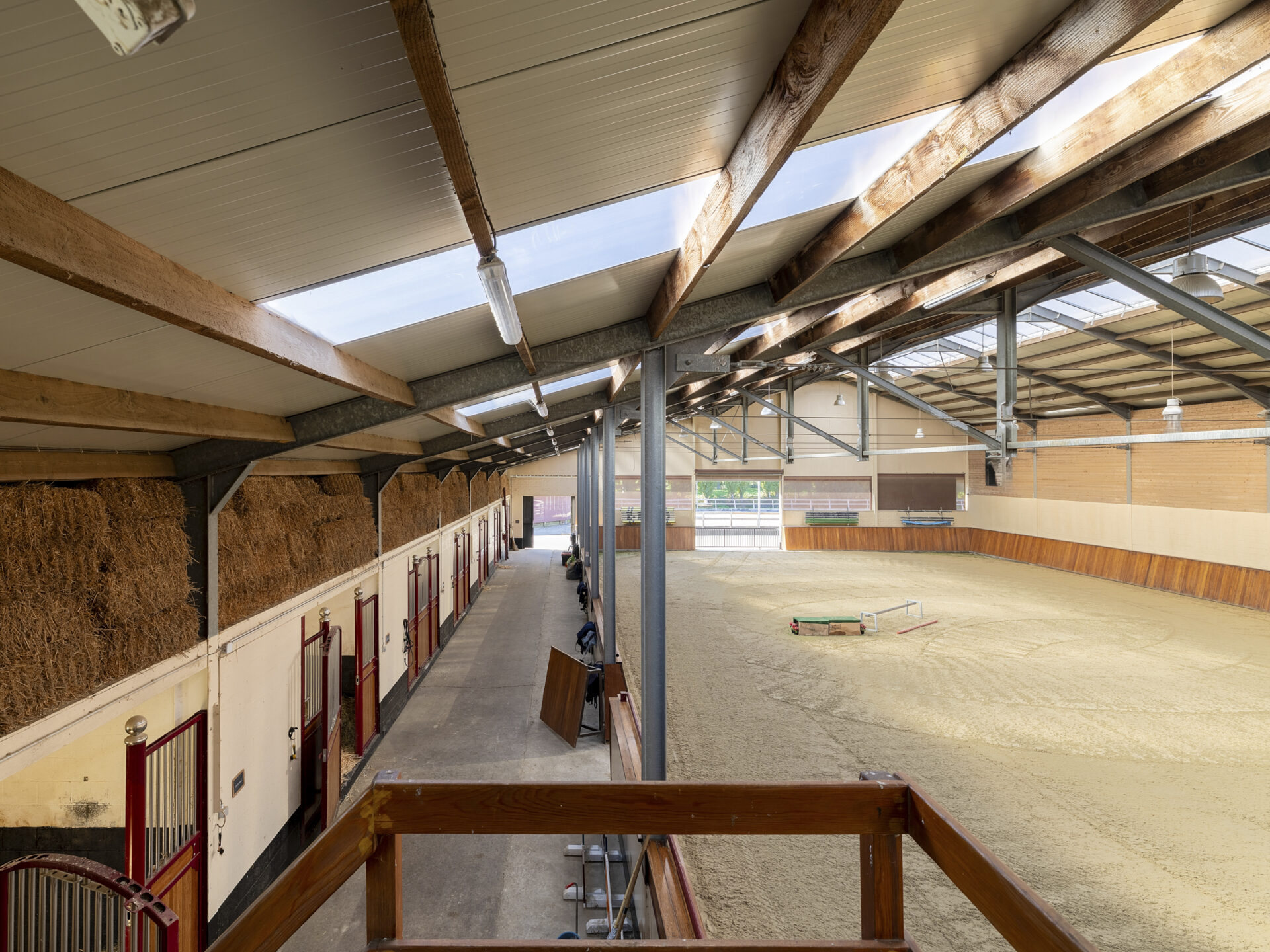
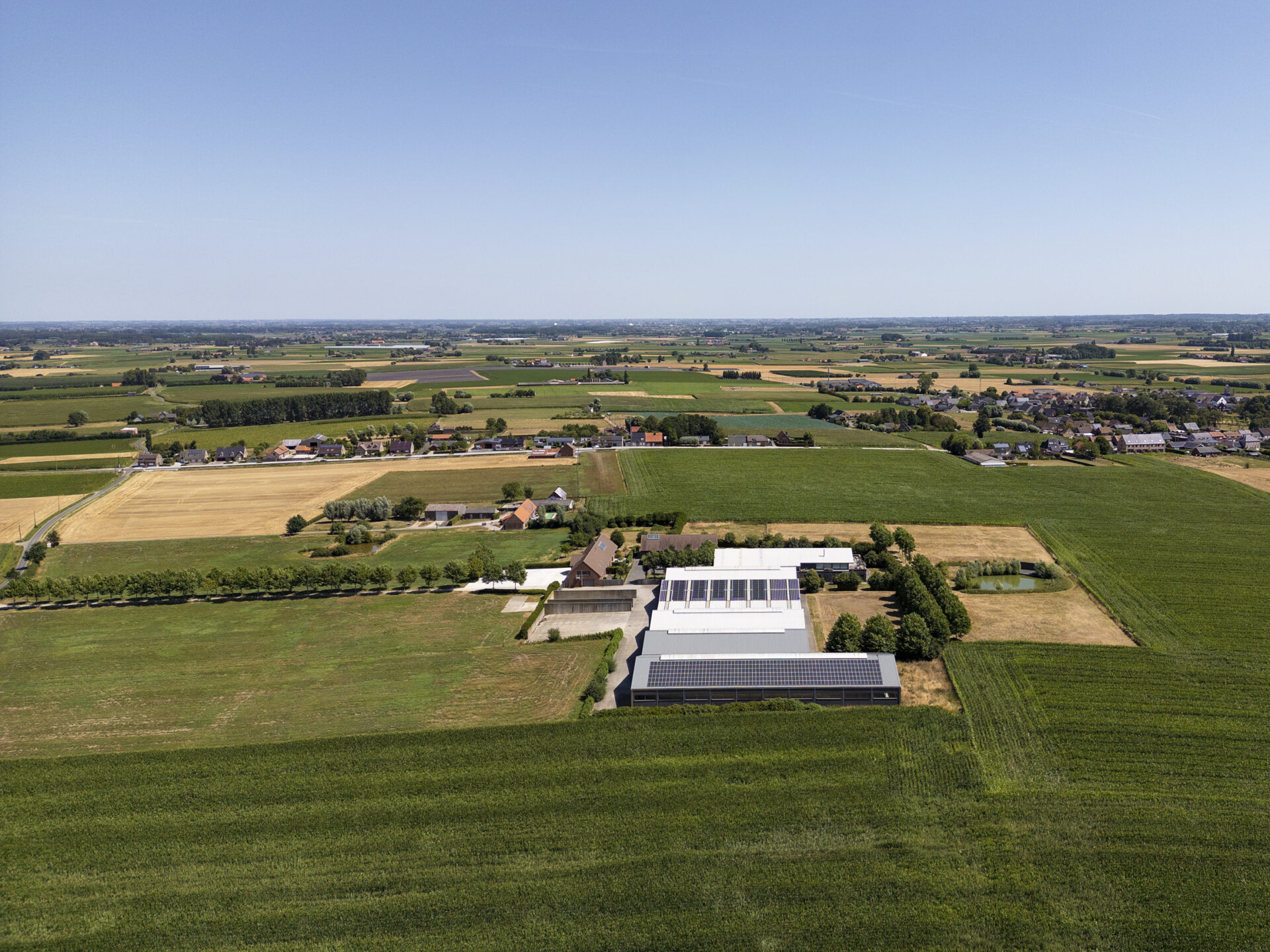
At Belgium Sotheby’s International Realty, we pay particular attention to these exceptional properties and to the expectations of those who seek them out. Whether it’s a competition yard, a private estate or a characterful home with equestrian potential, our approach is built on in-depth market knowledge, a tailored marketing strategy and a network of qualified buyers, both in Belgium and internationally. Because an equestrian property is about far more than its facilities: it’s a lifestyle, a passion and, often, a lifelong dream.
So, Why Belgium?
Because here, horses aren’t a hobby on the side: they’re part of the culture, the villages and the weekends spent at shows. Because you can live somewhere peaceful without being in the middle of nowhere. And because, in such a small country, there are almost as many ways to live with horses as there are riders. All the properties featured in this article can be found on our website. We know horses as well as we know bricks and mortar, and we’d be delighted to help you find the one that’s right for you.