
Far from the urban hustle, certain Belgian villages are increasingly appealing to international buyers in search of nature, discretion, and quality of life. French, Dutch, British, and German buyers are drawn to these human-scale communities, close to major cities yet surrounded by greenery and local charm.
Walloon Brabant, a chic haven on Brussels’ doorstep
Villages such as Lasne, Ohain, La Hulpe and Rixensart are attracting the attention of expatriate families and foreign investors. What are their advantages? A green residential setting, distinctive architecture, international schools and quick access to Brussels, while maintaining a calm and exclusive atmosphere. This area appeals thanks to its subtle balance between high-end rural living and urban proximity.
Walloon Brabant | Lasne

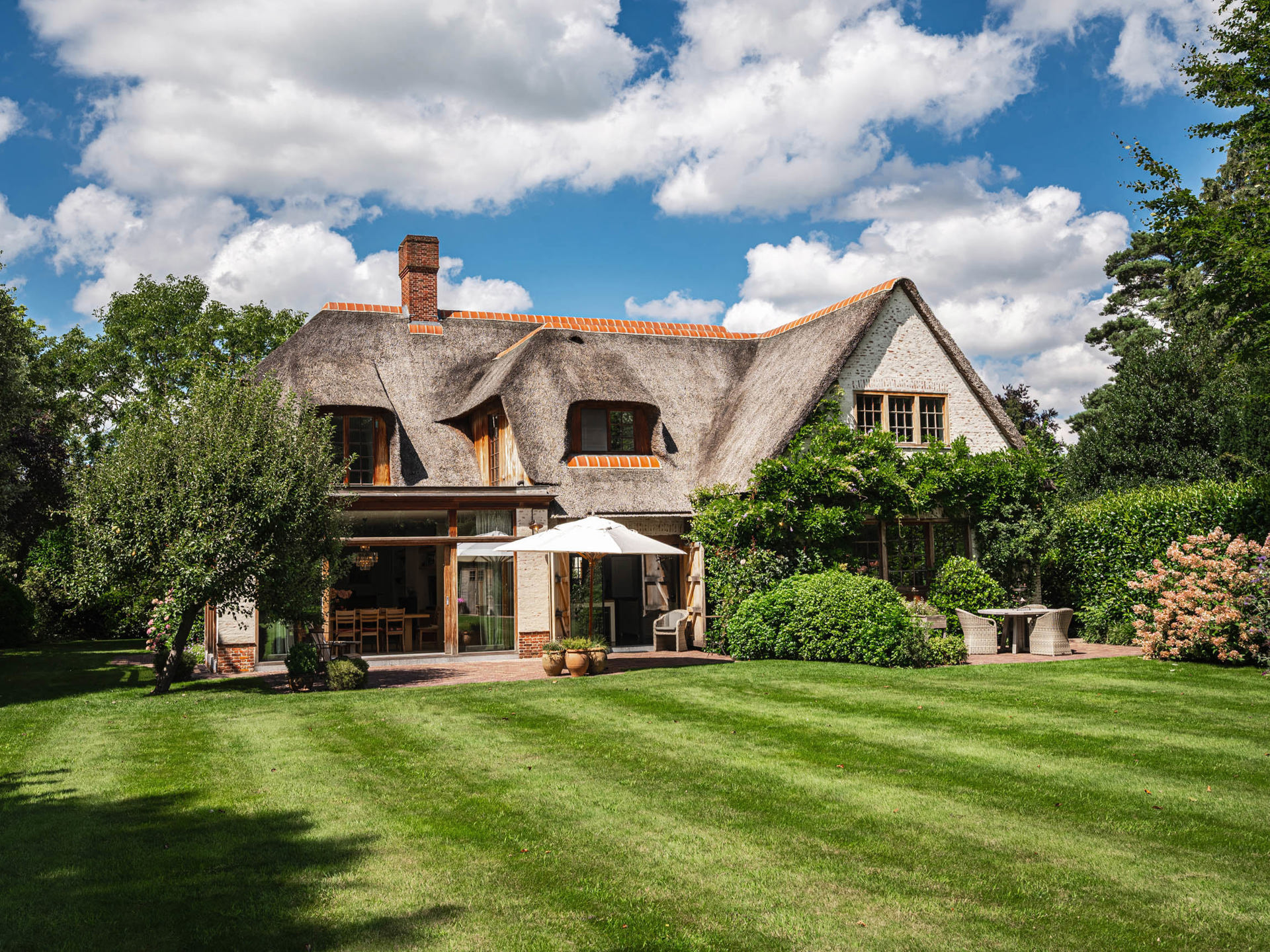
The Flemish gems
In Flanders, towns such as Tervuren, Overijse and Sint-Martens-Latem combine elegance, green spaces and proximity to business centres and English-speaking schools. These villages are particularly attractive to Anglo-Saxon families looking for a high-end lifestyle, well connected but far from the hustle and bustle. Their quality of life, combined with a stable and sought-after property market, makes them a safe bet for expatriates and investors alike.
East Flanders | Sint-Martens-Latem
Malines: the perfect balance between elegance and practicality
Mechelen offers a wonderful blend of historic charm, cultural vibrancy and modern amenities, ideally located between the major cities of Brussels and Antwerp. Its renovated city centre, sought-after residential neighbourhoods and excellent rail connections make it an attractive option for those looking to invest in a property that is both well-located and full of character.
Antwerp | Mechelen

A lasting trend driven by quality of life
This new enthusiasm for Belgian villages reflects a genuine change in lifestyle. The need for space, tranquillity and proximity to nature is now an essential criterion for international buyers. Added to this are security, the quality of local infrastructure and an environment conducive to family life or teleworking. These regions offer a living environment where you can breathe easier, without being cut off from the world. This is a sustainable movement, driven by a rural Belgium that is more desirable than ever.
